Spotting Fake Games
How to identify counterfeit cartridges.
4 min read
Learn to identify reproduction and counterfeit cartridges before and after purchase. Software checks with Playback or Retrace are your first line of defense. They’re fast, automatic, and catch most fakes. But they’re not a guarantee. For high-value purchases or anything you’re uncertain about, also inspect the cartridge physically using the steps below.
Software checks
Screen a cartridge quickly using your GB Operator or SN Operator with one of our apps:
- Playback on your computer (Windows®, macOS®, or Linux)
- Retrace on your phone or tablet, handy when you’re shopping at a store or convention
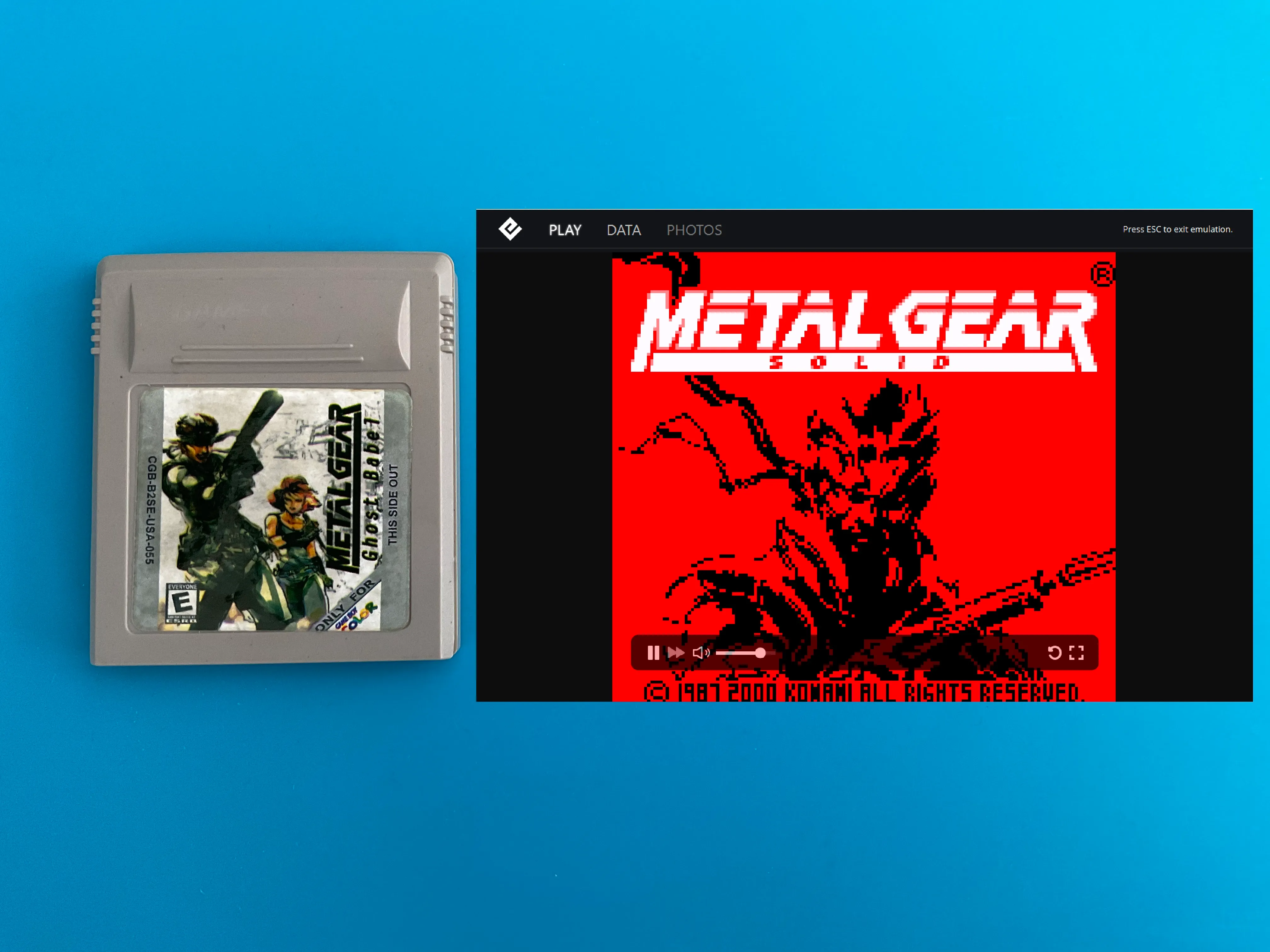
Insert the cartridge and the app displays whether it’s Official, Unofficial, or Unrecognized. This checks the internal hardware and game data against our database of known releases, and works for both Game Boy® and SNES® cartridges.
Software checks catch most fakes but not all. See Checking Cartridge Authenticity for the cases they miss. Combine the software check with the visual inspection steps below for the most thorough verification.
Visual inspection
Physical signs confirm or contradict what a software check tells you. Inspect the cartridge before buying (when you can’t run it through an Operator) or whenever a result seems uncertain.
Game Boy cartridges
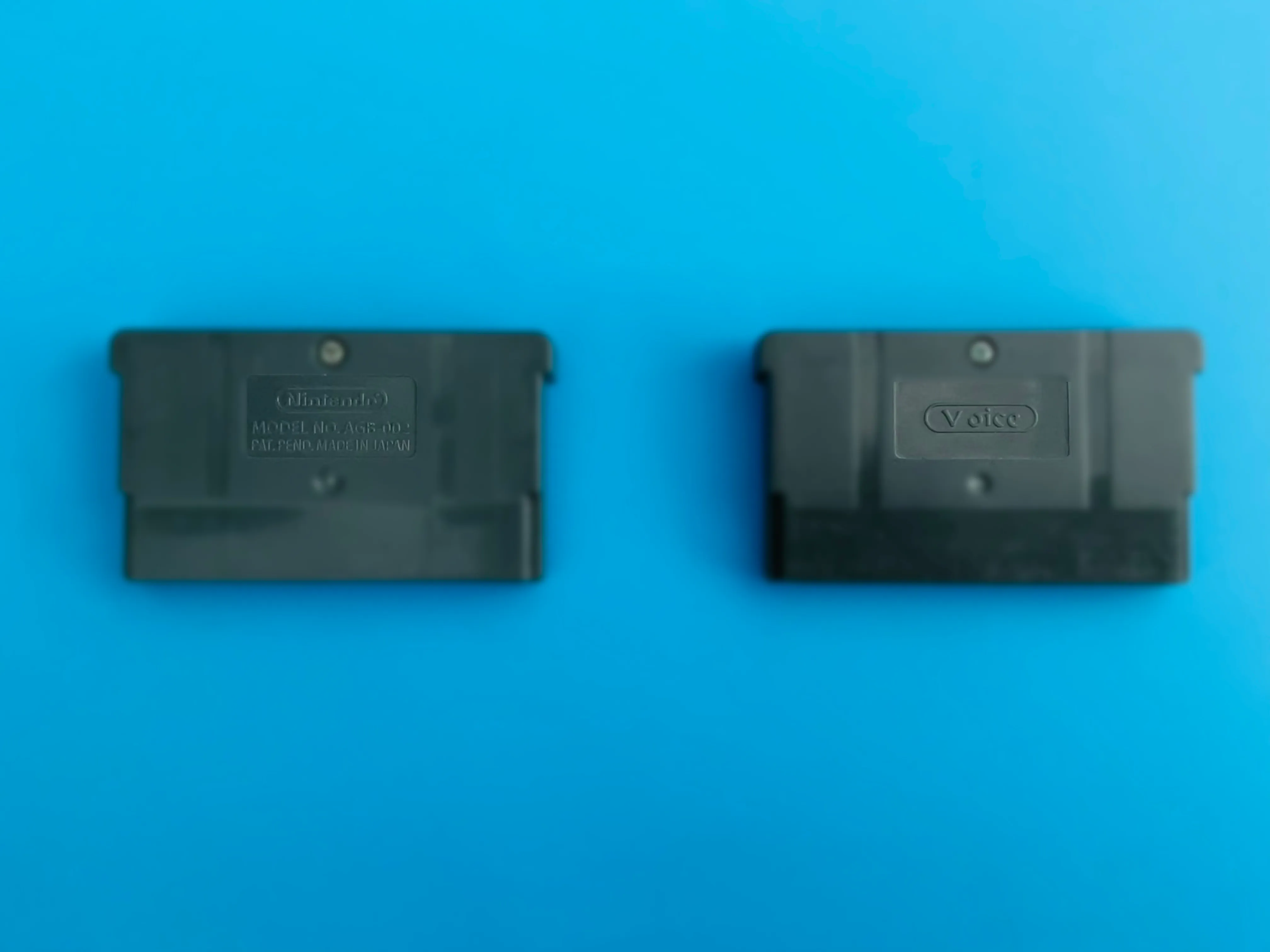
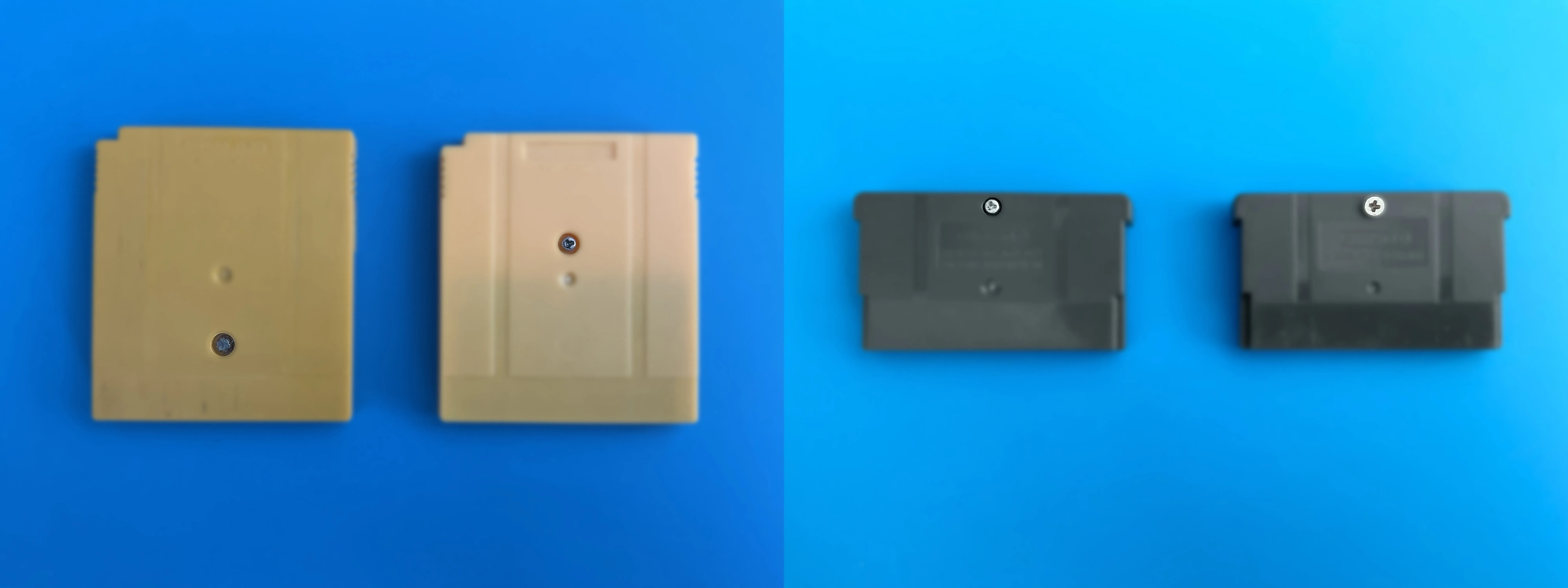
Cartridge back:
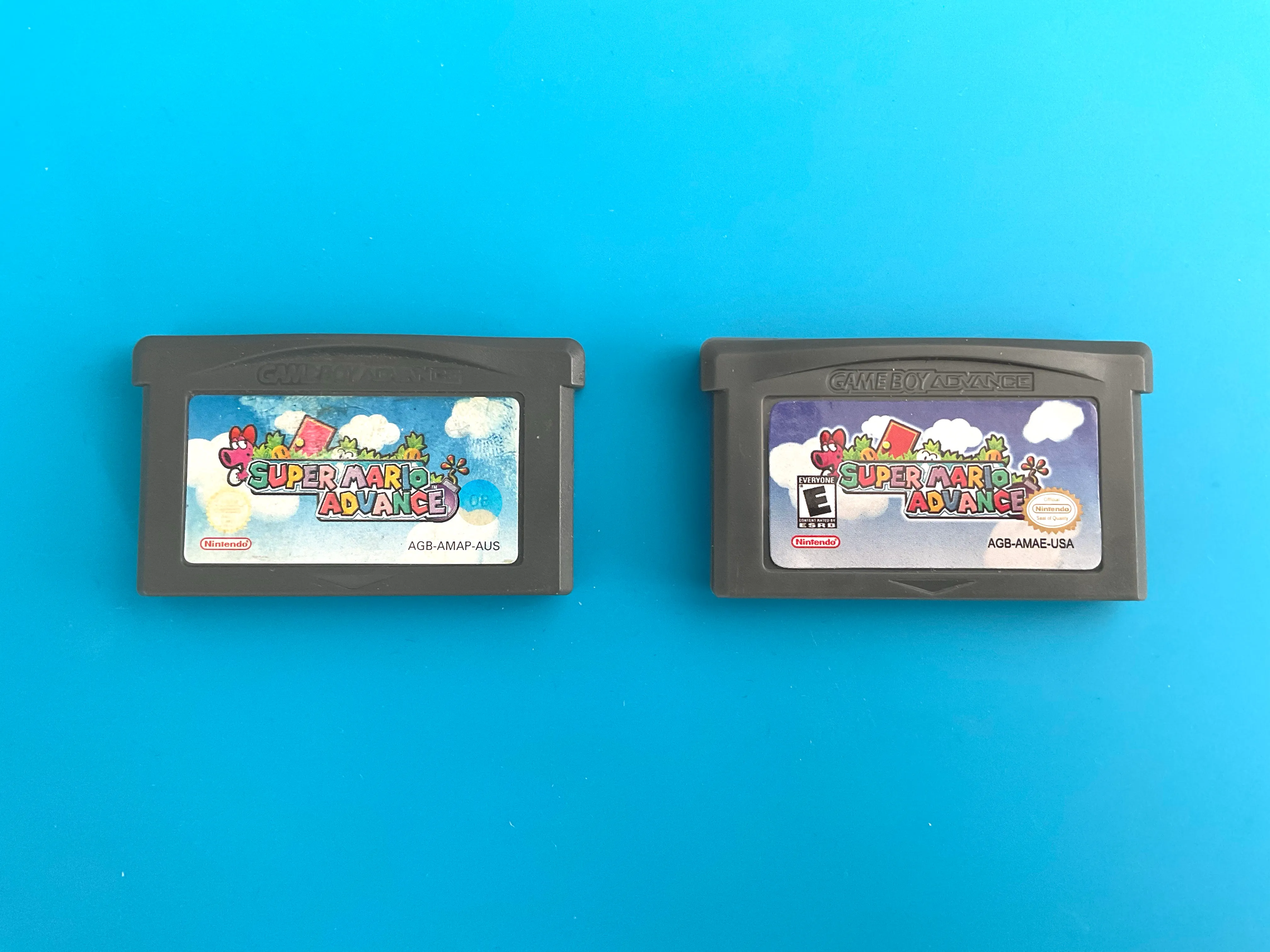
- Official GB/GBC/GBA carts have the Nintendo logo and/or “Made in Japan”
- Fakes often have no branding, wrong text, or unrelated phrases
- Check the screw type: GB/GBC uses 3.8mm screws, GBA uses tri-wing
Label quality:
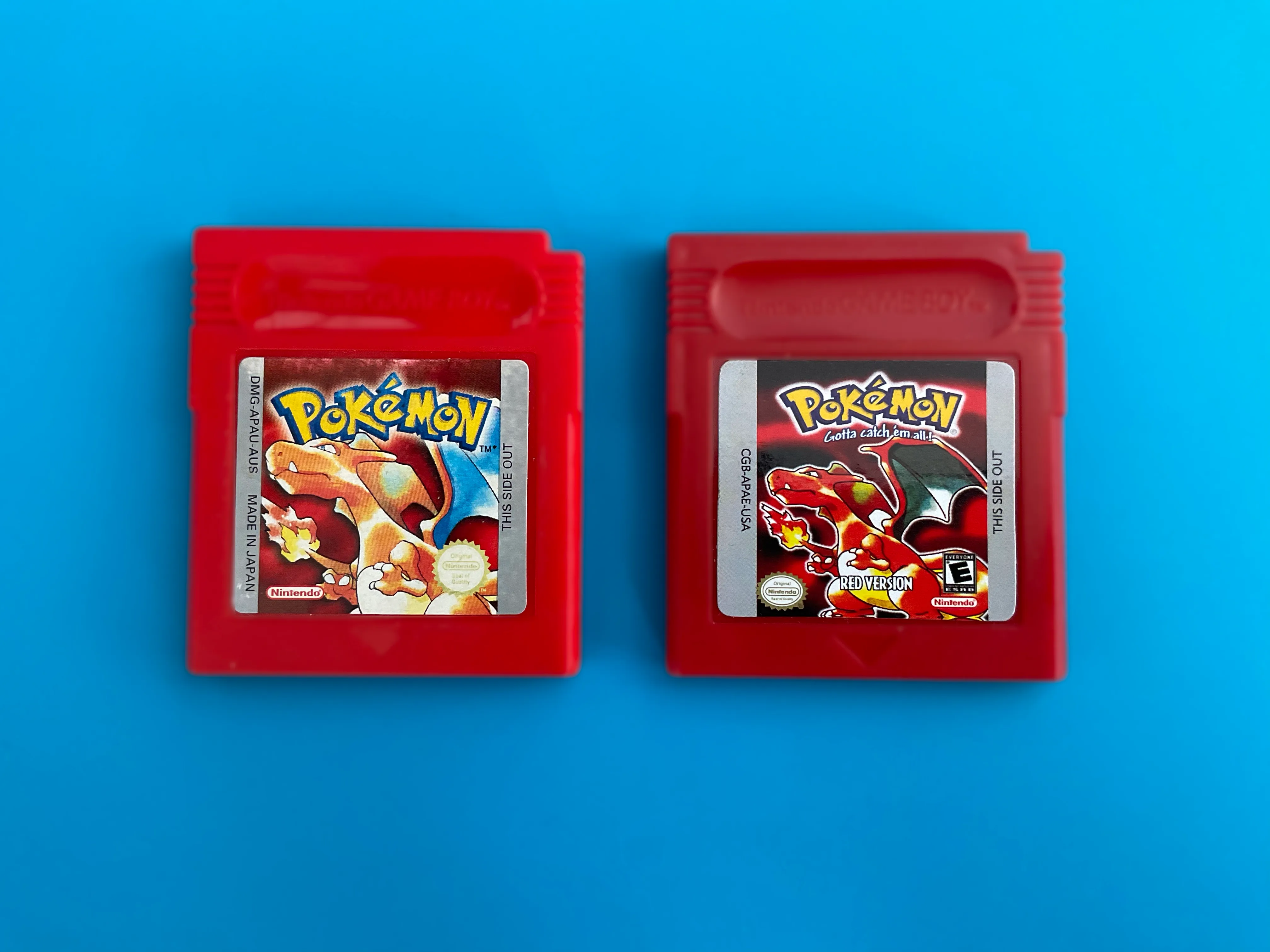
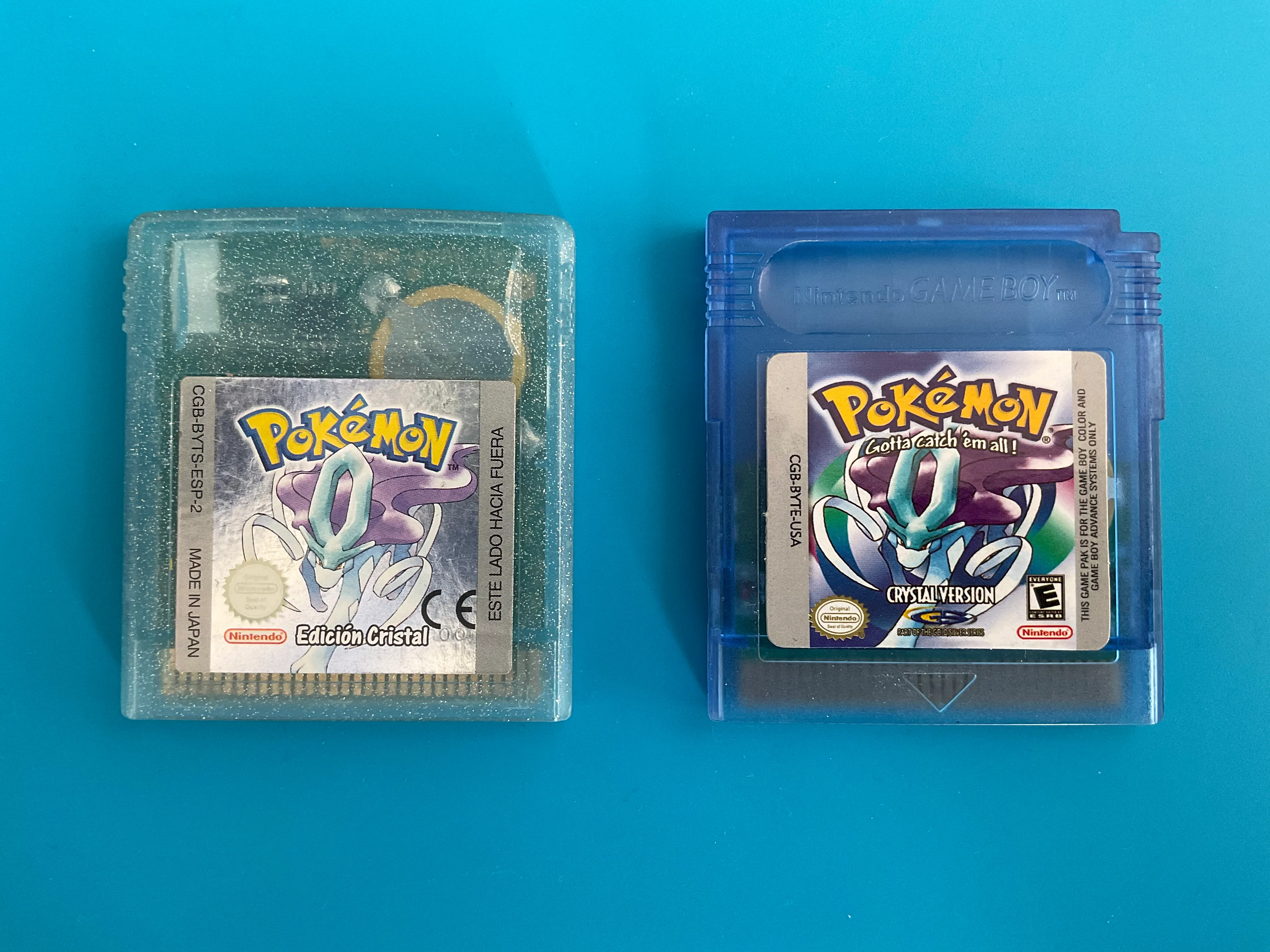
- Authentic labels have consistent colors matching the original release
- Fakes often have wrong color tones or use box art instead of cartridge art
- Look for a stamped 2-digit code on the label (Nintendo quality control)
- Check for spelling errors or poor print quality
SNES cartridges
Shell and label:
- Official SNES carts have the Nintendo seal of quality
- Check label alignment and print quality
- US carts have a different shape than European and Japanese carts
- Fakes may have slightly off colors or glossy labels when originals were matte
Back of cartridge:
- Look for molding marks and Nintendo branding
- Check screw holes match original specifications
General signs
- Plastic quality may feel different (too shiny or too matte)
- Weight can differ from authentic cartridges
- Poor fit in the console or Operator device
Opening the cartridge
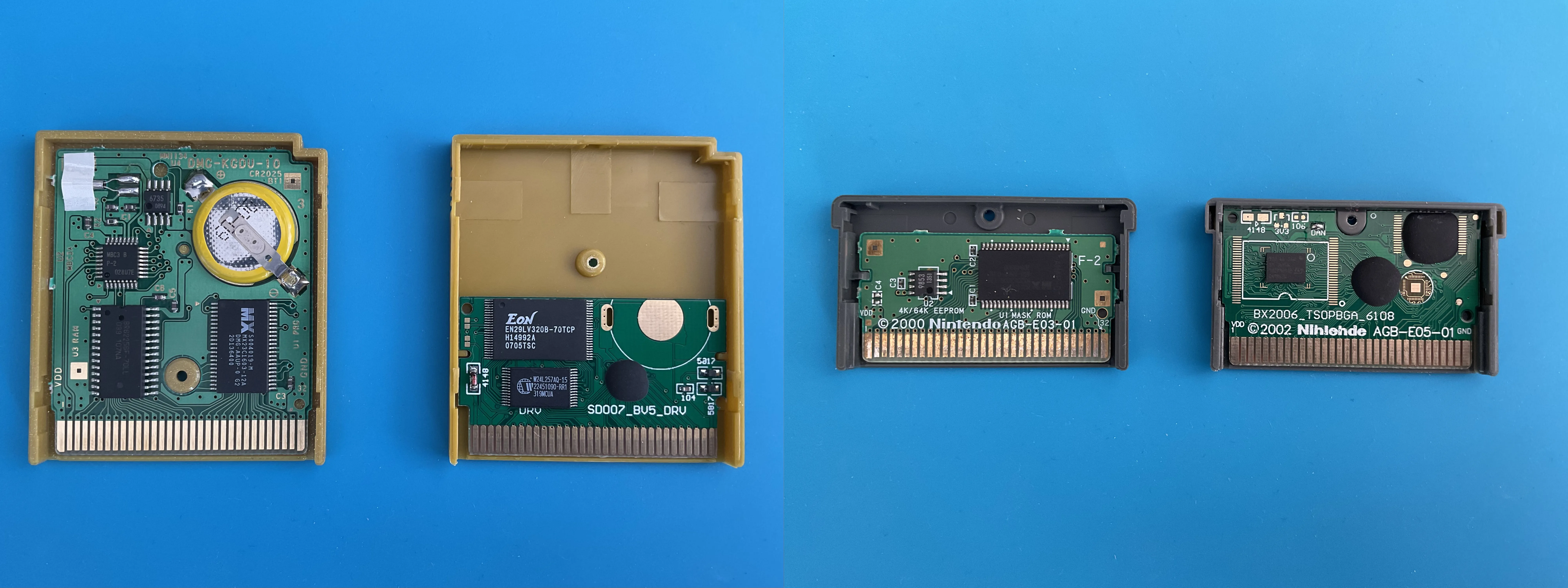
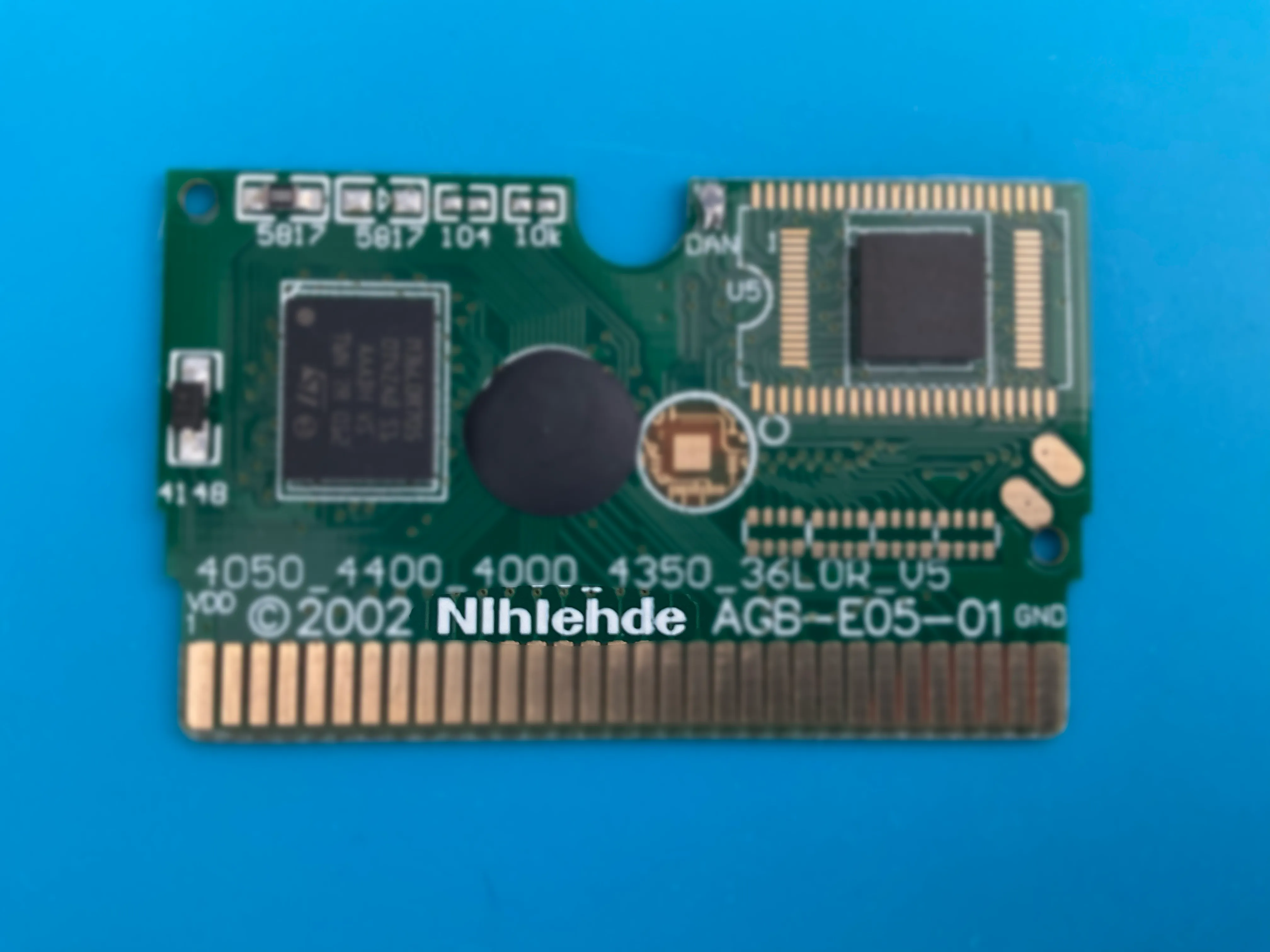
The best physical verification requires opening the cart:
Signs of a fake
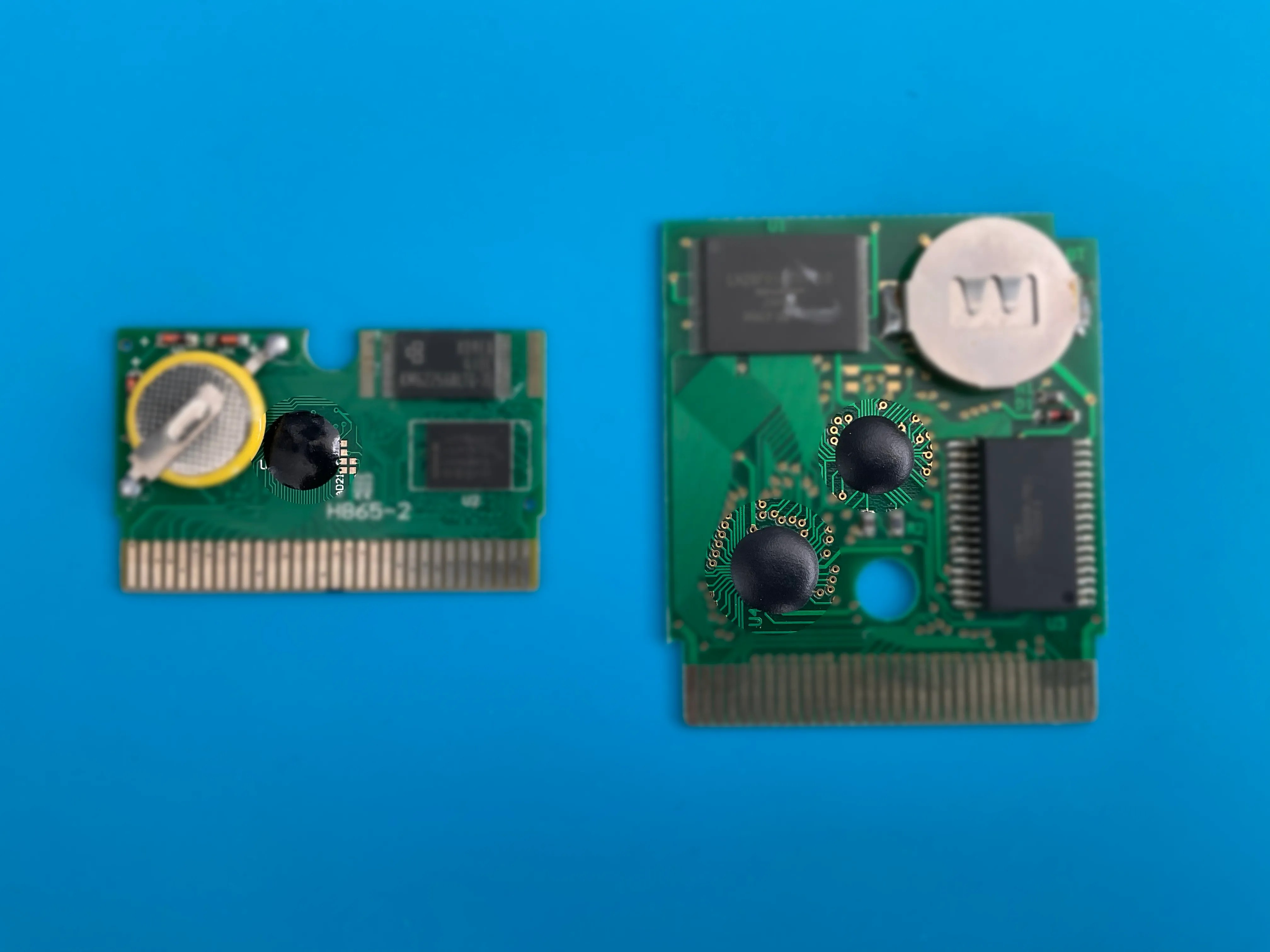
- Black blob chips (COB): Most fakes use cheap chip-on-board covered in black epoxy. Very few official games used this.
- Stacked PCBs: Official games never have circuit boards stacked on each other
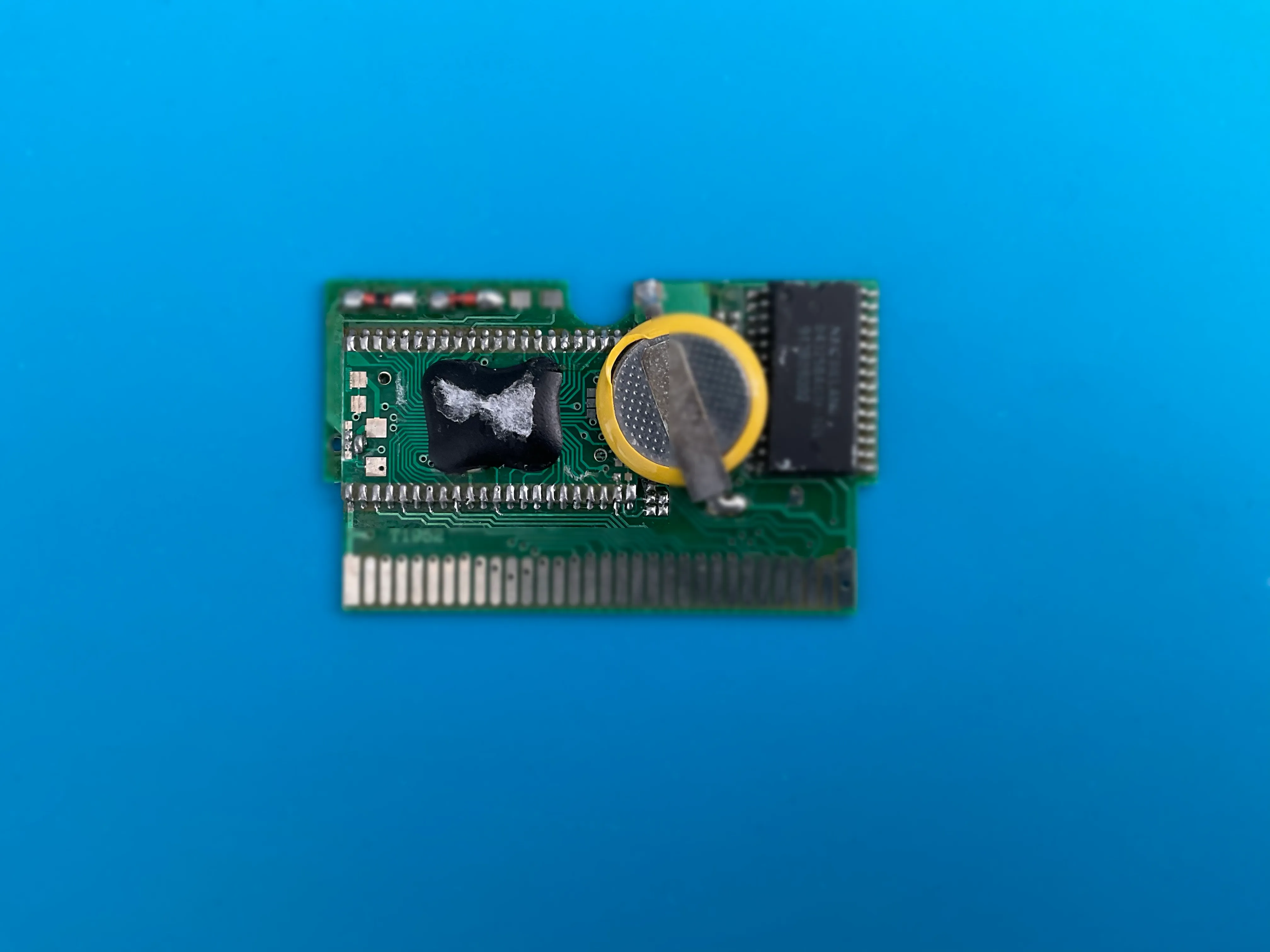
- Internal stickers: Official carts don’t have stickers inside
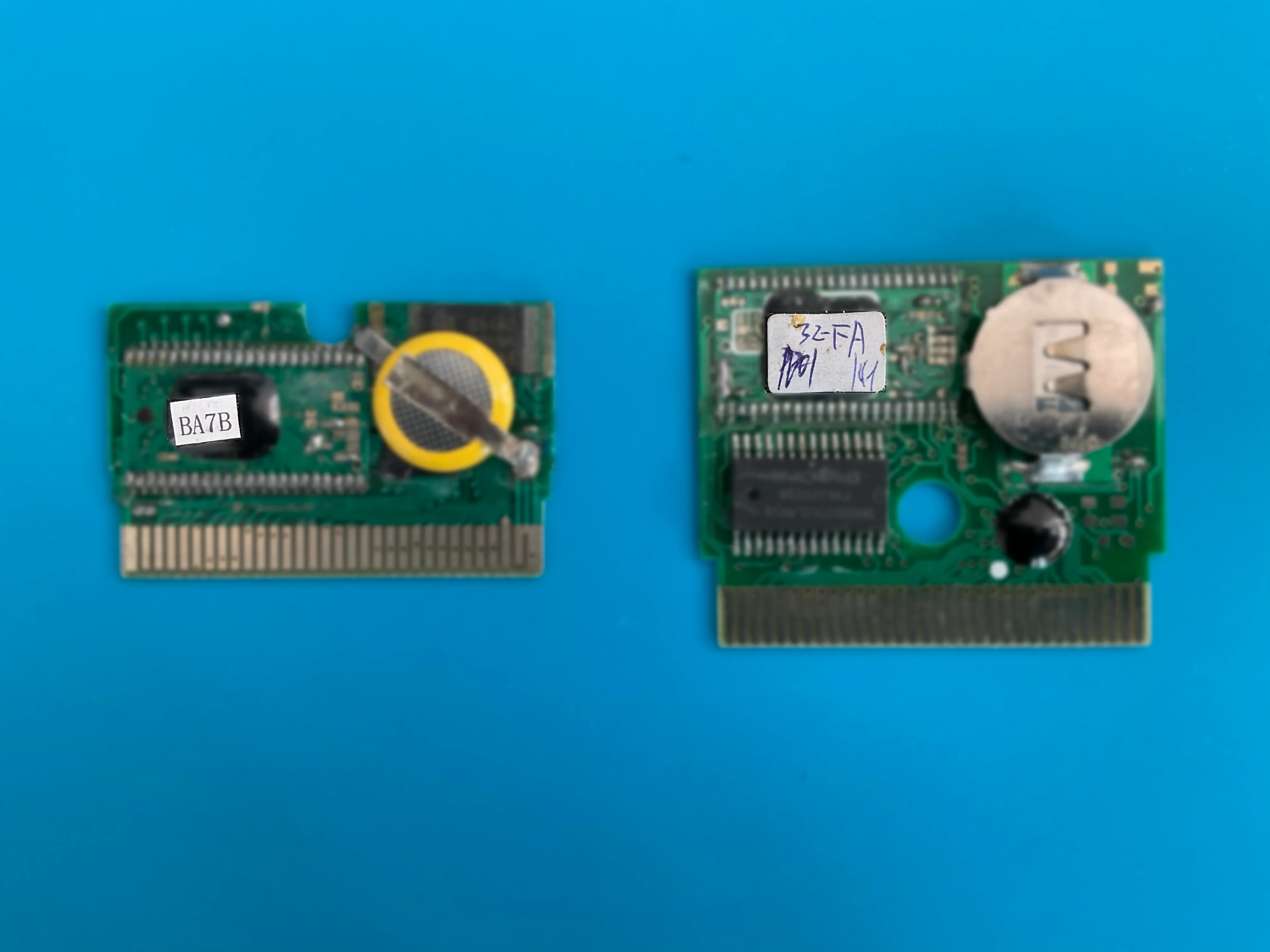
- Cut or odd-shaped PCBs: Official boards fit the case properly
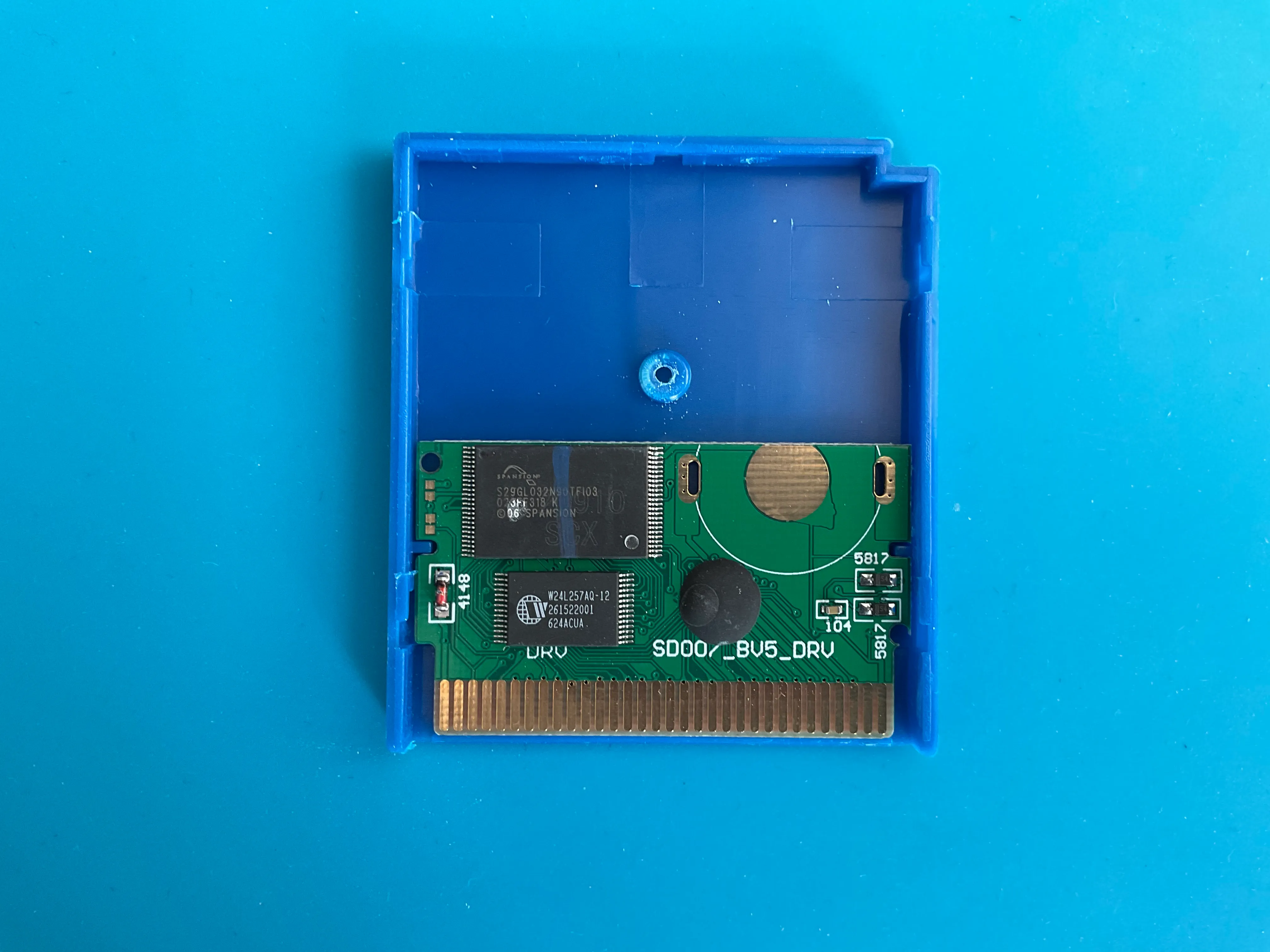
- Holes in pins: Official cartridge pins don’t have holes
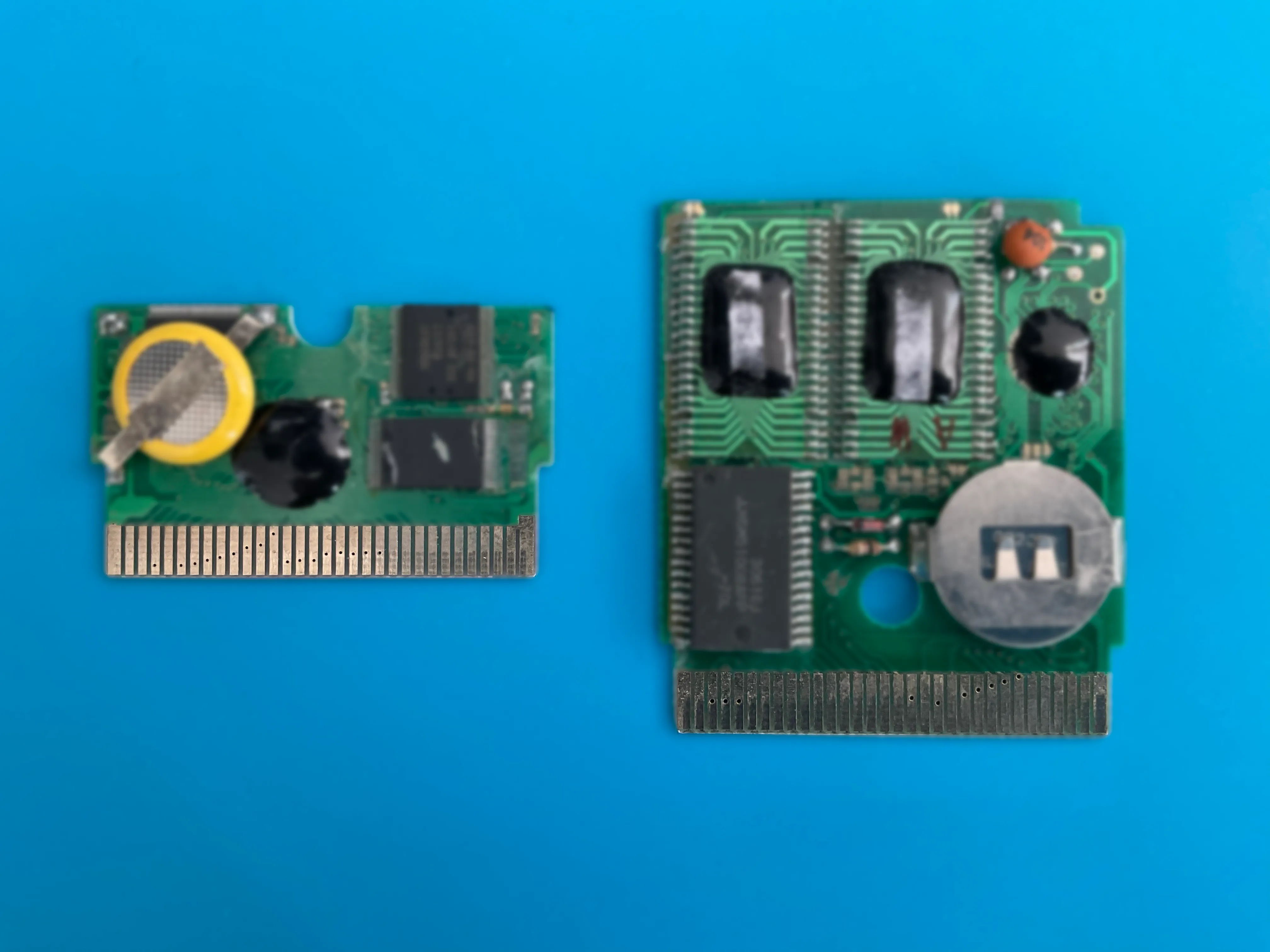
- Misspelled text: Look for “Nintendo” spelled correctly on the board
Tools needed
- 3.8mm security bit (GB, GBC, and SNES games)
- Tri-wing screwdriver (GBA games)
What if it’s fake?
- The game may still be playable, though save issues are common. See Rewritable Cartridge Save Issues.
- If the seller misrepresented the cartridge, you can request a refund or file a dispute.
See also
- Checking Cartridge Authenticity : Using Playback or Retrace to verify
- Buying Retro Games Safely : Avoid fakes when shopping
- Rewritable Cartridge Save Issues : Problems with reproductions
Still need help? Contact our support team


